‘Vaccines are our best defence’ – North East and North Cumbria residents urged to protect themselves this winter
Hundreds of thousands of people across the North East and North Cumbria are being invited to get their free flu vaccination, as GP practices and community pharmacies step up the NHS vaccination programme ahead of the colder months.
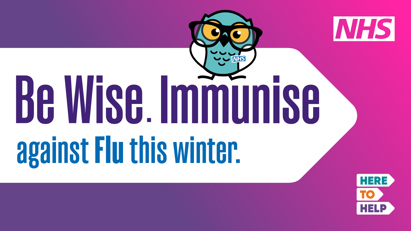
Health leaders in the North East and North Cumbria are encouraging everyone who is eligible to get vaccinated and protect themselves this winter.
For most people, flu is unpleasant and they will recover on their own. But for some, it can cause serious complications, including pneumonia, make existing heart or lung conditions worse, and lead to hospital treatment and, in some cases, can be life-threatening.
Those most at risk include older people, pregnant women, young children, people with certain long-term health conditions and people with weakened immune systems.
The flu vaccination is the best defence against the virus and helps protect people from becoming seriously ill, while also helping to reduce pressure on NHS services during winter.
In 2025/26, uptake of flu vaccinations across the North East and North Cumbria was 58.4%, above the national average of 54.1%.
Flu vaccinations will be available from 1 September for pregnant women, children aged two and three, and school pupils from Reception to Year 11.
From 1 October, eligibility widens to include people aged 65 and over, those with certain long-term health conditions, main carers, care home residents, people living with someone who has a weakened immune system, frontline health and social care workers and people experiencing homelessness.
Ben Anderson, director of population health, NHS North East and North Cumbria Integrated Care Board (ICB), said: “Flu is not just a nasty cold. It can be a very serious illness.
“Every winter we see people becoming seriously ill with flu, particularly older and more vulnerable people and those with long-term health conditions. Some will need hospital treatment and, sadly, flu can be fatal.
“The flu vaccine is our best defence. It only takes a few minutes to book, and I would strongly encourage everyone who is eligible to do so – not only to protect themselves, but also to help protect those around them.
"But winter protection is not just about flu. Depending on your age, health or circumstances, you may also be eligible for vaccines against COVID-19, pneumococcal disease and RSV. These are different illnesses, and each vaccine provides specific protection, so it is important to take up every vaccine you are eligible for."
- For winter 2026/27, the COVID-19 vaccine is offered to people aged 75 and over, residents of older adult care homes and people aged six months and over who are immunosuppressed.
- The pneumococcal vaccine is routinely offered by GP practices from age 65, as well as to some younger people with certain long-term health conditions.
- The RSV vaccine is available from GP practices to people aged 75 and over. Pregnant women can get the RSV vaccine from 28 weeks of pregnancy at their antenatal appointment or from their GP. .From 1 September 2026, it is also being offered to people aged 65 –74 with chronic respiratory disease or who are immunosuppressed.
Appointments for eligible people for flu and COVID-19 vaccinations can be made through GP practices, via the NHS website, through the NHS App or by calling 119 free of charge.
Flu vaccines for schoolchildren will be delivered by school immunisation teams. Parents or carers of any child who has not received their vaccine through school by 1 December can get an appointment by booking at a participating community pharmacy through NHS.UK.
Children aged two and three can receive the nasal spray vaccine at their GP practice or, from 1 October, at participating community pharmacies by booking online. Pregnant women can get their vaccine through their GP practice, local pharmacy or during routine antenatal appointments.
Winter viruses usually peak in December and January, so starting adult vaccinations in October helps make sure people are protected when the viruses are most likely to be circulating widely.
Mr Anderson added: “Some people who are more vulnerable to serious illness from winter viruses may not realise they are eligible for free vaccines.
“If you are unsure, check the NHS website or speak to your GP practice or local pharmacist. Older people and young children are more likely to need hospital treatment if they get ill, so it is particularly important they get the protection they are entitled to.”